

Exploring Professional Sound Design Solutions
- chris65476
- Jun 22
- 3 min read
Sound shapes experience. It sets mood. It guides attention. I rely on professional sound design solutions to deliver clear, engaging audio. Whether for phone systems, podcasts, or personal recordings, quality sound matters. I want to share how expert sound design transforms projects and why you should invest in it.
Why Choose Professional Sound Design Solutions?
Sound design is more than mixing tracks. It’s crafting an audio journey. Professionals bring expertise, tools, and creativity. They understand acoustics, audio editing, and the psychology of sound. This ensures your message is heard clearly and memorably.
Consider a business phone system. Poor audio can frustrate callers and harm your brand. Professional sound design solutions create crisp, pleasant hold messages. They balance voice, music, and effects to keep callers engaged.
Podcasters benefit too. Clean, balanced audio keeps listeners tuned in. Professionals remove background noise, adjust levels, and add subtle effects. This elevates your content and builds audience loyalty.
For individuals recording audio, professional sound design solutions provide clarity and polish. Whether for voiceovers or personal projects, they ensure your voice sounds natural and vibrant.

Audio mixing console used in professional sound design
Key Elements of Effective Sound Design Solutions
Good sound design combines several elements:
Clarity: Voices and sounds must be clear and distinct.
Balance: Levels between voice, music, and effects should complement each other.
Consistency: Audio quality should remain steady throughout.
Creativity: Use of sound effects and music to enhance the message.
Technical Precision: Proper equalization, compression, and noise reduction.
Professionals use advanced software and hardware to achieve these. They tailor sound to your specific needs. For example, a message on hold requires a calm, reassuring tone with subtle background music. A podcast might need dynamic range control and noise gating.
How Professional Sound Design Services Enhance Your Audio
I recommend using sound design services for any serious audio project. These services offer:
Custom audio creation: Unique soundscapes and voiceovers.
Editing and mastering: Polishing raw recordings to broadcast quality.
Consultation: Advice on audio strategy and equipment.
Multi-format delivery: Files optimized for phone systems, streaming, or downloads.
For example, a business can request a tailored message on hold that reflects their brand personality. Podcasters can get their episodes professionally mixed and mastered. Individuals can receive coaching and technical support.
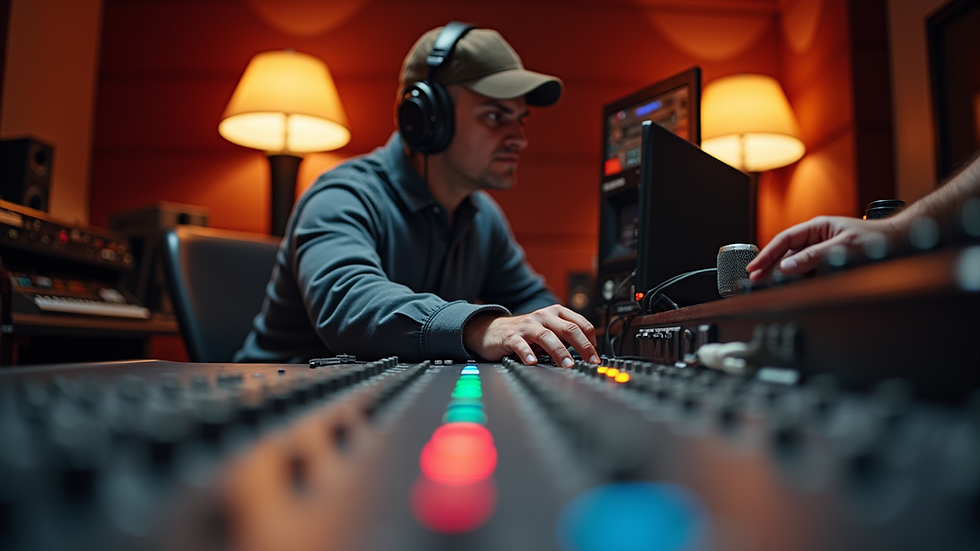
Sound engineer fine-tuning audio in a professional studio
Practical Tips for Working with Sound Designers
Maximize your results by following these tips:
Define your goals clearly. What mood or message do you want to convey?
Provide reference audio. Share examples of sounds or styles you like.
Communicate your audience. This helps tailor the sound to listener preferences.
Be open to feedback. Professionals may suggest improvements you hadn’t considered.
Request drafts. Review early versions and provide specific notes.
Plan for revisions. Sound design is iterative; expect a few rounds.
These steps ensure your project stays on track and meets your expectations.
Choosing the Right Sound Design Partner
Select a partner who understands your needs. Look for:
Experience with your type of project.
Transparent pricing and clear deliverables.
Good communication and responsiveness.
Access to professional studios and equipment.
Positive client testimonials.
A local studio or remote service can work well. Prioritize quality and professionalism over cost alone.
Elevate Your Audio Experience Today
Sound design solutions transform ordinary audio into compelling experiences. They improve clarity, engagement, and professionalism. Whether for business phone systems, podcasts, or personal recordings, invest in expert sound design.
Explore how sound design services can elevate your audio. Take control of your sound. Make every word count.


Comments